Masonry Waterproofing · Since 1993
Masonry Waterproofing Protecting Repairs and Extending Service Life
Surface-applied waterproofing extends the life of masonry repairs and reduces long-term maintenance cost. Arrow applies penetrating sealers that protect from the inside out without changing the appearance of brick or stone.
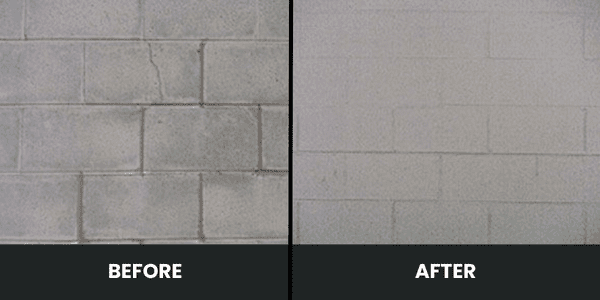
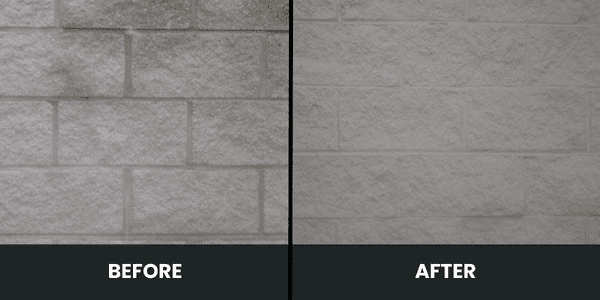
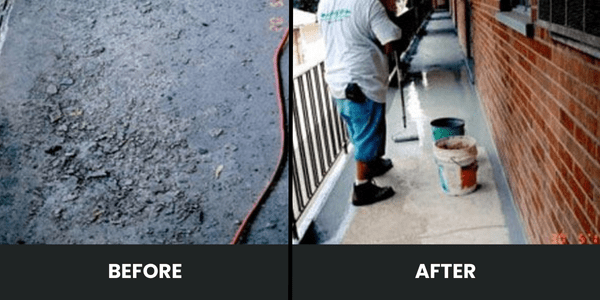
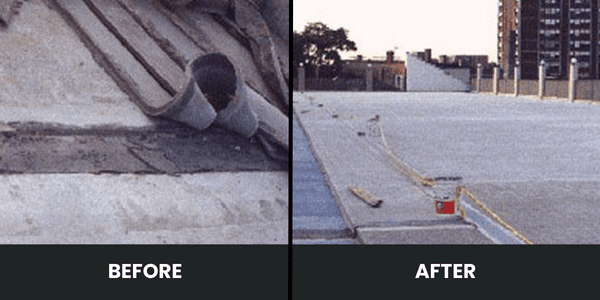
The Basics
Commercial Masonry Waterproofing: Breathable Protection for Chicagoland Building Envelopes
Arrow's commercial waterproofing service applies breathable penetrating sealers to brick, stone, and mortar after repair work is complete and cured. Chicagoland brick, limestone, and mortar are porous by design: they absorb water, release it back as vapor, and cycle through this pattern with every rain and every freeze. Driving lake-effect rain, seasonal humidity, and roughly one hundred freeze-thaw cycles per year push the cycle faster than the wall can drain on Cook, Lake, and DuPage County buildings, and trapped moisture drives efflorescence, spalling, and steel lintel corrosion.
Silane and siloxane penetrating sealers line the pores of the masonry to repel water without sealing them shut. The correct product remains vapor-permeable: it lets moisture escape from inside the Chicagoland wall assembly while blocking liquid water from entering. This is the critical distinction between waterproofing and painting; film-forming paint traps water inside the wall and accelerates the freeze-thaw damage it was applied to prevent, which is why Arrow does not apply film coatings to masonry.
Arrow is licensed, insured, and bonded for commercial masonry waterproofing throughout the Chicago metro, backed by over fifty years of combined masonry expertise. Waterproofing is not a repair; it is a maintenance step applied after tuckpointing, masonry restoration, or flashing work is complete and cured. Sealing a Chicagoland wall with active joint failure or missing flashing traps water inside the wall and makes damage worse, so Arrow scopes any needed repair first.
The Work
Arrow's Waterproofing Approach: Breathable Silane/Siloxane, Correct Coverage, Repair-First Sequencing
Arrow applies penetrating silane or siloxane sealers to brick and stone after repair work is complete and cured. These sealers penetrate the masonry surface and line the pores, repelling water without forming a film that can peel or trap moisture. Product selection is matched to the Chicagoland exposure conditions of the elevation, since driving lake-effect rain, north/west wind loading, and freeze-thaw cycling call for different active levels on different faces of the same building.
Application rates and coverage are specified by the manufacturer and verified by Arrow before sealing any surface. Over-application of penetrating sealers does not improve performance and wastes material. Under-application leaves the surface unprotected, and on a Chicagoland exposure elevation that means a full winter of freeze-thaw damage before the next inspection catches it.
Arrow does not apply waterproofing products to Chicagoland masonry that still has active joint failure, spalled brick, damaged flashing, or missing weep holes. Repair comes first, cure fully, then seal. Sealing over deteriorated mortar or cracked stone traps water inside the wall rather than keeping it out, which is the fastest way to convert a maintenance-level scope into a full restoration scope.
Get a Free EstimateCustom Mortar Matching
Color-sampled and blended for every project before work begins.
Written Scope
Every job includes a written specification before work starts.
Job-Specific Warranty
Every contract includes a written guarantee on the work.
Warning Signs
What Waterproofing Will and Will Not Do
Will: Extend Masonry Life by Two to Three Times
Properly applied penetrating sealer extends the interval between major masonry maintenance by two to three times. Freeze-thaw cycling still occurs, but the water content that drives spalling and joint erosion is dramatically reduced.
Will: Reduce Efflorescence and Salt Staining
By blocking water passage through the wall, waterproofing prevents the salt-laden moisture that produces efflorescence. Existing efflorescence is not removed, but new staining is significantly reduced.
Will Not: Repair Existing Damage
Waterproofing is a protective coating, not a repair. Spalled brick, cracked stone, and failed joints must be repaired before waterproofing is applied. Sealing over damaged masonry traps water and accelerates further deterioration.
Will Not: Change the Appearance of the Wall
Penetrating sealers are colorless and do not affect the color, texture, or reflectivity of masonry. If a product noticeably changes the appearance of brick or stone, it is a film-forming coating rather than a penetrating sealer, and it will fail differently than expected.
Will Not: Last Forever
Penetrating sealers last five to fifteen years depending on exposure and product. Reapplication is required on a maintenance schedule. Buildings that have not received maintenance-grade recheck within the past ten years should be evaluated regardless of visible symptoms.
Our Process
The Arrow Waterproofing Process: Three Phases
Every Arrow waterproofing project runs through three phases. The most common failure mode in the industry is applying sealer to a Chicagoland wall that still has active joint failure or damaged brick; Arrow's sequence enforces repair first, cure fully, then seal.
-
01
Phase 1: Assessment and Repair Prerequisite Confirmation
The masonry is inspected for active joint failure, damaged brick, spalled stone, missing flashing, blocked weep holes, and any other issue that must be repaired before waterproofing is applied. Chicagoland exposure elevations (typically north and west faces) are flagged for priority coverage. If the wall is not sound, Arrow scopes the repair separately and returns to seal only after cure.
-
02
Phase 2: Surface Preparation, Product Selection, and Coverage Calculation
The masonry surface is cleaned to remove dirt, algae, efflorescence, urban soot from Chicago corridors, and any prior coatings that would prevent proper sealer penetration. Cleaning is matched to substrate (soft wash, chemical cleaning, or biocide treatment). The correct silane or siloxane sealer is selected for the Chicagoland masonry type and exposure elevation, and coverage rate is calculated from manufacturer specifications for the specific facade area.
-
03
Phase 3: Application, Cure, and Water-Beading Verification
Sealer is applied under conditions specified by the manufacturer: dry substrate, appropriate ambient temperature, and no rain in the forecast for the initial cure period. On Chicagoland scopes, weather windows are watched closely to avoid lake-effect precipitation during cure. The finished application is verified by water-beading test after cure, and reapplication intervals are documented for the property manager or board file.
Why It Matters
Why Waterproofing After Repair Makes Sense
Fresh Repairs Need Protection Through the First Freeze Season
Fresh tuckpointing and new brick are vulnerable to water absorption until fully cured. Applying waterproofing sealer after mortar cure locks in the repair and significantly reduces the rate of future deterioration. For buildings in heavy freeze-thaw zones, properly applied waterproofing adds years to the service life of a tuckpointing job.
High-Exposure Elevations Benefit Most
Waterproofing is particularly valuable on north and west-facing elevations that see the most direct weather exposure. Arrow identifies high-exposure elevations during the initial assessment and includes waterproofing recommendations in the written scope where it will extend repair life.
We Start With What Actually Needs Fixing
Large projects get broken into priority lists. Critical work comes first. Arrow does not write the biggest possible scope to maximize the invoice. The written scope explains what is essential now and what can wait.
Lifespan & Longevity
How Long Does Waterproofing Last?
Silane and siloxane penetrating sealers typically last five to fifteen years depending on exposure and product. Higher-quality silane products on protected elevations can approach the fifteen-year mark; standard-grade siloxane on high-exposure elevations may need reapplication closer to five years.
The most reliable maintenance indicator is the water-beading test. Splash water on the sealed masonry: if the water beads and runs off, the sealer is still effective. If the water absorbs into the surface, reapplication is due. This test can be performed by any owner or property manager without specialized equipment.
A five-year recheck cycle is standard on Arrow-treated buildings. The recheck is quick, inexpensive, and identifies which elevations need reapplication before the next major freeze-thaw cycle. Buildings on this maintenance schedule avoid the compounding water damage that leads to full-restoration scope decades later.
Common Questions
Waterproofing FAQs
How often does waterproofing need to be reapplied?
Every five to fifteen years depending on exposure and product. The reliable indicator is the water-beading test: if water beads on the surface, the sealer is still effective; if it absorbs, reapplication is due. Arrow recommends a five-year recheck cycle on treated buildings.
Will waterproofing change how the building looks?
No. Correct penetrating sealers are colorless and do not change color, texture, or reflectivity. If a product visibly changes the appearance of the wall, it is a film-forming coating rather than a penetrating sealer, and it will trap moisture inside the wall instead of protecting it.
Is waterproofing the same as painting the building?
No. Paint forms a surface film that traps water inside the wall and accelerates freeze-thaw damage. Penetrating sealers line the pores of the masonry to block liquid water while allowing vapor to escape. Painting masonry buildings for water protection consistently makes damage worse.
Can waterproofing repair existing damage?
No. Waterproofing is a protective coating applied after repair is complete and cured. Sealing damaged masonry, spalled brick, cracked stone, or failed joints traps water inside the wall and accelerates the existing damage.
When can waterproofing be applied?
On sound, cured masonry with no active joint failure or damaged brick. Ambient temperature must be within the range specified by the sealer manufacturer, and the forecast must not include rain during the initial cure period. Typical application window is April through October in the Chicago-area climate.
What Clients Say
Read All Reviews"Arrow did tuckpointing on our 40-unit building in Evanston. The mortar match was excellent. You honestly cannot tell where the old work ends and the new work begins. That was the most important thing for our board."
"We had a city citation and needed documentation fast. Arrow assessed the building, gave us a clear scope, and completed the work on schedule. The inspector signed off without any issues."
"I manage six buildings. Arrow is the only masonry contractor I call. They tell me what the building needs, not the most expensive thing they can do. That matters a lot when you're managing association budgets."
Ready to Get Started?
Free estimates for all projects. We serve property managers, condo associations, and building owners across Chicagoland.