Full Masonry Restoration · Since 1993
Full Masonry Restoration Prioritized and Phased
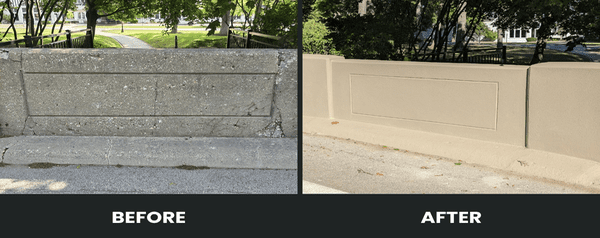
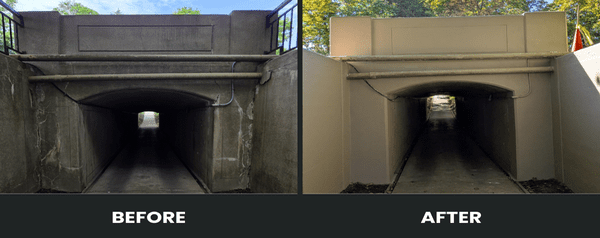
When a building needs more than spot repairs, Arrow coordinates the full scope: tuckpointing, brick replacement, lintel work, caulking, and waterproofing, prioritized so boards can manage budgets without deferring what is critical.
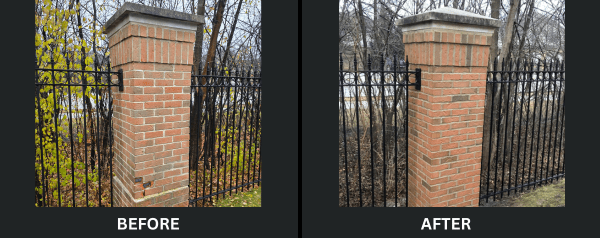
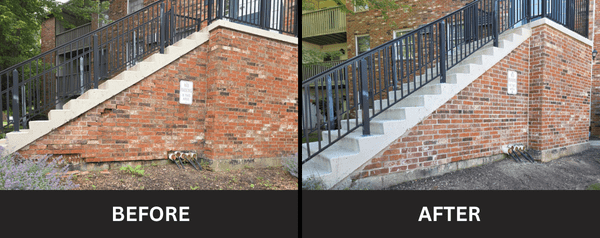
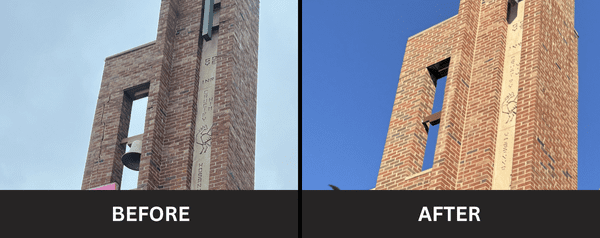
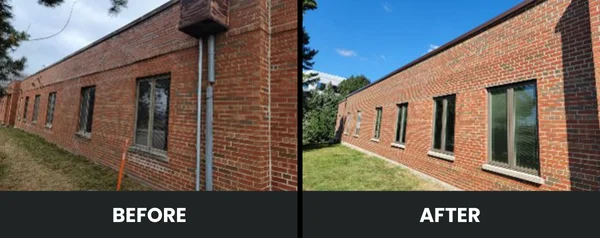
The Basics
Commercial Masonry Restoration: Structural Rehabilitation for Aging Chicagoland Facades
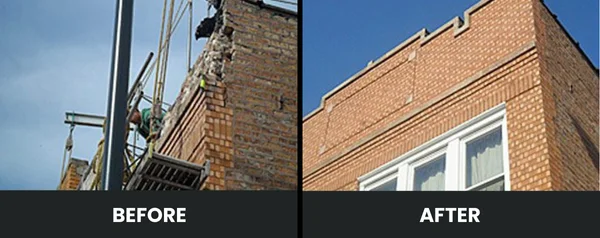
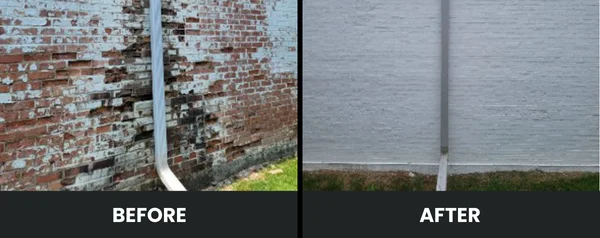
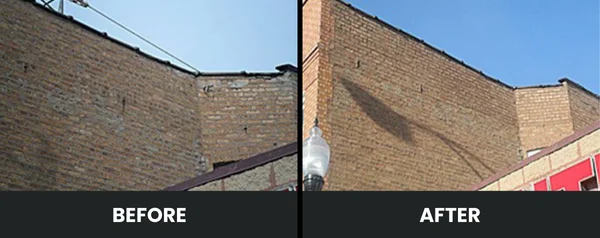
Arrow's commercial masonry restoration service performs structural and aesthetic rehabilitation of aging building envelopes rather than isolated patch repair. Arrow performs deep structural inspection, removes fractured or spalling units, sources historically accurate replacement materials, matches structural load-bearing capacity, and blends new work seamlessly into decades-old facades. This work preserves the structural integrity and historical value of classic Chicagoland multi-unit masonry buildings, historic two-flat and greystone residences, aging commercial storefronts, and industrial masonry facades across Cook, Lake, and DuPage counties.
Restoration becomes necessary when a building has moved past the point of isolated repair. Chicago's climate accelerates the timeline: approximately 100 freeze-thaw cycles per year on every elevation, driving lake-effect precipitation along the North Shore, and high seasonal humidity produce compound damage across mortar joints, brick faces, lintels, sills, and coping stones simultaneously. Arrow scopes restoration in phases prioritized by structural urgency and water-entry risk so condo boards and property managers can fund critical work without special assessments.
Arrow is licensed, insured, and bonded for commercial masonry restoration throughout the Chicago metro, backed by over fifty years of combined masonry restoration expertise across the founding team. Written specifications for materials, mortar composition, and structural matching are documented for every scope, giving property managers and HOA boards documentation suitable for reserve-study review, lender review, and Chicago Facade Ordinance filings where applicable.
The Work
Arrow's Standards for Every Commercial Masonry Restoration Project
Arrow does not pad restoration scopes. When a phase-two item can safely wait eighteen months without causing cascade damage, that is what the written scope will say. Restoration scopes that bundle optional work alongside necessary repairs consistently exceed reserve capacity and produce deferred work, which is a worse long-term outcome than a properly phased scope.
Historically accurate material matching is a hard requirement on every restoration project. Arrow sources salvaged Chicago common brick, dimension-matched replacement units, mortar composition matched to the wall era, and matched stone from regional quarries when Dutchman repair is not viable. The restored section must read as continuous with the original facade rather than as a visible patch.
Structural load-bearing capacity is preserved on every replacement. Arrow does not substitute lower-strength material into load-bearing courses, and structural engineers are coordinated where anchor loading or wall-section replacement requires analysis. The restoration must be structurally equivalent to, and visually continuous with, the original construction.
Get a Free EstimateCustom Mortar Matching
Color-sampled and blended for every project before work begins.
Written Scope
Every job includes a written specification before work starts.
Job-Specific Warranty
Every contract includes a written guarantee on the work.
Warning Signs
Warning Signs a Building Needs Restoration
Visible Deterioration Across Multiple Systems
Failed mortar joints plus spalling brick plus rust staining above windows is not three separate problems; it is one deferred restoration scope showing up in three places.
Interior Water Damage on Multiple Elevations
Water staining, blistering paint, or efflorescence on interior walls on more than one elevation means the envelope is failing broadly rather than at a single point.
Bowing, Bulging, or Displaced Masonry
Wall sections that push outward or upward indicate water trapped between wall wythes, corroded ties, or lintel failure. These are structural signals that require dismantle-and-rebuild scope, not surface repair.
Cracked or Failed Parapet Caps and Coping
Parapet and coping failures let water into the top of the wall assembly, which then travels down through the entire elevation. This is one of the fastest paths to a full-restoration scope.
Building Age Past Fifty Years Without Prior Restoration
Buildings past the fifty-year mark that have never been through a full restoration cycle are almost always due, whether or not the visible symptoms have become dramatic yet.
Our Process
The Arrow Masonry Restoration Process: Three Phases
Every Arrow restoration project runs through three sequential phases. Skipping the assessment phase, the most common shortcut in commercial masonry, produces scopes that miss cascade failures and result in premature return visits.
-
01
Phase 1: Deep Structural Inspection and Phased Scope
Every elevation is walked, photographed, and documented. Arrow assesses mortar joints, brick and stone faces, lintels, sills, coping stones, parapet caps, flashing, and roof-to-wall transitions as an interdependent system. Findings are translated into a written scope prioritized by water-entry risk and structural urgency. Phase one covers critical items; phase two covers work that can safely wait twelve to twenty-four months; deferrable optional work is called out separately.
-
02
Phase 2: Salvage Sourcing and Historically Accurate Material Matching
Historically accurate replacement material is sourced before demolition begins. Salvaged Chicago common brick, dimension-matched replacement units, matched stone from regional quarries, and mortar composition matched to the original wall era are secured for the scope. Written material specifications, mortar mix ratios, brick source, and joint profile are documented before work begins.
-
03
Phase 3: Coordinated Execution and Seamless Blending
Work sequences run in the correct technical order: lintel replacement before adjacent tuckpointing, tuckpointing before brick replacement, cleaning before waterproofing. Cross-trade coordination is handled internally by Arrow foremen. The finished restoration reads as continuous with the original facade. Client walk-throughs are scheduled at milestones so boards and property managers see the work in progress, and closeout documentation is turned over for reserve-study and lender files.
Why It Matters
Why Phased Restoration Works for Property Managers
Reserve Budgets Cannot Absorb a Single Lump Sum
Building owners and property managers operate on reserve budgets. A lump-sum restoration quote that exceeds reserve capacity leads to special assessments or deferred work, both of which create problems for boards. Arrow's phased approach identifies what must be addressed now versus what can wait twelve to twenty-four months, giving boards a defensible plan for residents and lenders.
Boards Are Accountable to Residents
Property managers who are accountable to owners cannot afford surprises. Arrow communicates changes before they happen, not after. When scope changes arise during work, the reason is explained and documented before anything changes hands. No crew disappears without a word mid-project.
We Start With What Actually Needs Fixing
Large projects get broken into priority lists. Critical work comes first. Arrow does not write the biggest possible scope to maximize the invoice. The written scope explains what is essential now and what can wait.
Lifespan & Longevity
How Long Does Full Masonry Restoration Last?
A proper full restoration extends the useful life of the masonry envelope by twenty-five to fifty years, depending on exposure, original construction quality, and post-restoration maintenance. Tuckpointing done as part of restoration lasts twenty-five to thirty years; brick replacement is functionally permanent when matched and installed correctly; lintel replacement lasts fifty years or more with galvanized or stainless steel.
Waterproofing applied as the final restoration step extends the interval between major work by two to three times. Buildings that receive a full restoration and then a maintenance-grade recheck every five years typically avoid the next major-scope restoration for the full expected life of the current work.
The variables that shorten this range are all preventable: skipped inspection cycles, deferred small repairs that cascade, or restoration work quoted low by cutting corners on mortar depth, matching, or joint tooling. Restoration done correctly the first time is the least expensive long-term option available.
Common Questions
Masonry Restoration FAQs
How long does a full masonry restoration project take?
Small commercial buildings typically run four to eight weeks. Full facades on mid-rise multi-family properties commonly take two to four months of active work, plus phasing across seasons for larger multi-year scopes. Cure times, weather windows, and access constraints all factor in.
What triggers a full restoration versus spot repair?
Multiple concurrent failure systems, structural signals like bowing or displacement, or a single major failure that has cascaded into adjacent systems. A building can also be moved into full-restoration scope proactively when a reserve study or facade inspection identifies it as at-risk within the next five years.
What is the difference between restoration and replacement?
Restoration preserves the original masonry and repairs what has failed. Replacement removes the original masonry and rebuilds. Restoration is almost always the correct choice unless structural integrity of the wall itself has been compromised beyond repair. Arrow does not recommend replacement when restoration is viable.
Does full restoration require historic-preservation review?
On buildings within designated historic or landmark districts, yes. Arrow prepares mortar analyses, material samples, and scope documentation appropriate for landmark applications, and coordinates with the local preservation commission before permits are filed.
How is a restoration project funded across multiple budget years?
Arrow writes phased scopes with each phase priced independently and sequenced by urgency. Boards can commit to phase one under current-year budget and schedule phase two through the following year's reserve. Documentation supports reserve-study updates and lender review.
What Clients Say
Read All Reviews"Arrow did tuckpointing on our 40-unit building in Evanston. The mortar match was excellent. You honestly cannot tell where the old work ends and the new work begins. That was the most important thing for our board."
"We had a city citation and needed documentation fast. Arrow assessed the building, gave us a clear scope, and completed the work on schedule. The inspector signed off without any issues."
"I manage six buildings. Arrow is the only masonry contractor I call. They tell me what the building needs, not the most expensive thing they can do. That matters a lot when you're managing association budgets."
Ready to Get Started?
Free estimates for all projects. We serve property managers, condo associations, and building owners across Chicagoland.