Lintel Replacement · Since 1993
Lintel Replacement Before the Bricks Above Start Moving
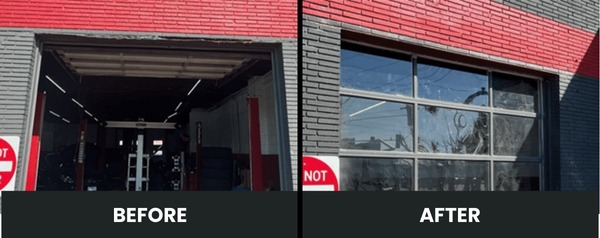
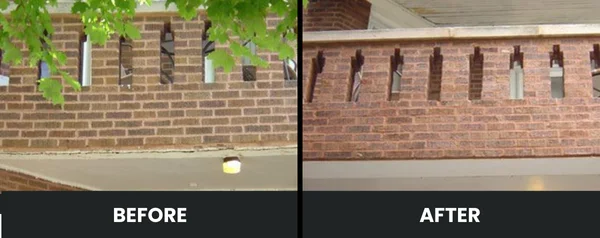
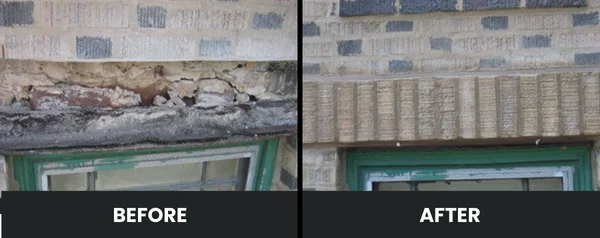
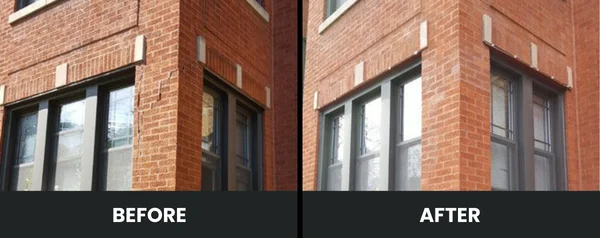
Lintels carry brick over window and door openings. When steel lintels corrode, they expand and push bricks out of alignment. Arrow replaces failing lintels before that movement becomes a structural problem.
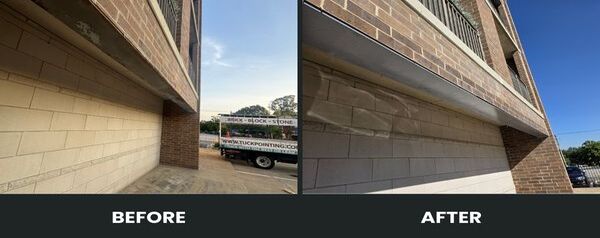
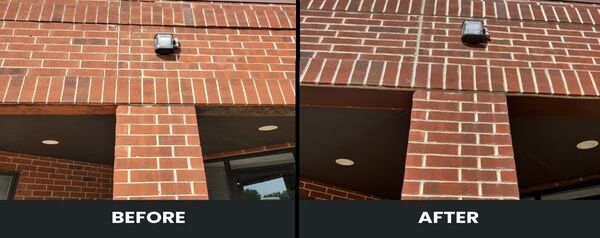
The Basics
Commercial Lintel Replacement: Structural Steel Remediation for Chicagoland Facades
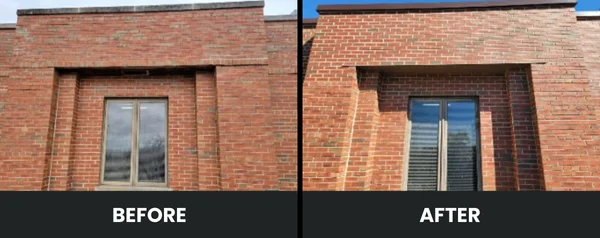
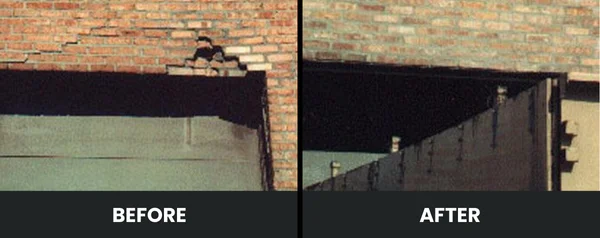
Arrow's lintel replacement service performs structural remediation of rusted, expanding, or sagging steel angle lintels over windows and door openings in commercial and multi-family masonry buildings. Arrow supports the overhead masonry, carefully dismantles the brickwork above the opening, removes the corroded steel (preventing further oxide jacking that lifts the wall), installs new galvanized or stainless steel angle with integrated through-wall flashing and weep holes, and relays the brick. This work is done on multi-story Chicagoland brick two-flats, greystone flats, commercial vintage brick properties, and mid-century commercial buildings across Cook, Lake, and DuPage counties.
Original steel lintels in Chicago-area buildings are typically past their service life. Chicago's approximately 100 freeze-thaw cycles per year, lake-effect precipitation along the North Shore, and decades of missing or failed flashing above the lintel drive water into the steel body. Rusting steel expands up to ten times its original volume, producing rust-jack oxide jacking that fractures the surrounding brick and mortar and lifts the masonry above the opening. Classic stepped or diagonal step-cracking over windows on multi-story Chicagoland brick buildings is the visible warning.
Arrow is licensed, insured, and bonded for structural lintel replacement throughout the Chicago metro, backed by over fifty years of combined masonry restoration expertise across the founding team. Through-wall flashing installation is standard on every lintel replacement scope, since missing flashing is the single most common reason original lintels reached the end of their service life.
The Work
Arrow's Standards for Every Commercial Lintel Replacement Project
Arrow does not skip through-wall flashing on any lintel replacement. Absent flashing is the single most common failure mode for original lintels; a new lintel installed without integrated flashing will corrode again within a decade. Correct flashing installation is what makes the difference between a fifty-year lintel life and a repeat replacement in ten years.
Galvanized or stainless steel is specified on every replacement based on exposure. Galvanized steel provides fifty-year service life at reasonable cost; stainless steel exceeds one hundred years and is specified on heavily exposed elevations. Arrow does not install plain steel, which fails as fast as the original steel it replaces.
Minimum eight-inch bearing extension into the wall on each side of the opening is standard on every replacement. Under-bearing extension is a shortcut that produces early failure at the bearing point regardless of steel specification or flashing quality.
Get a Free EstimateCustom Mortar Matching
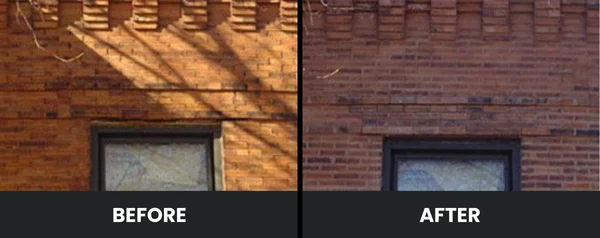
Color-sampled and blended for every project before work begins.
Written Scope
Every job includes a written specification before work starts.
Job-Specific Warranty
Every contract includes a written guarantee on the work.
Warning Signs
Warning Signs of a Failing Lintel
Rust Staining Above a Window or Door
Orange or brown streaking on brick above an opening is corrosion byproducts washed downward by rain. The staining appears on the exterior masonry, but the corrosion source is the steel lintel behind the wall.
Stair-Step Cracking Above the Opening
Cracks that step diagonally through the mortar joints above a window or door indicate the lintel has lost load capacity and the masonry above is shifting to redistribute the load.
Horizontal Cracks at the Lintel Line
A crack running horizontally along the top of a window or door frame usually means the lintel has bowed or dropped. This is a load-path failure and requires replacement, not repair.
Displaced or Missing Bricks Above Openings
Individual bricks that have shifted position, dropped forward, or fallen out entirely from the wall face above an opening mean the lintel is no longer holding load. Immediate replacement is required to prevent further collapse.
Interior Water Entry Around Window and Door Frames
Water staining, blistering paint, or mold on interior wall surfaces immediately adjacent to windows and doors frequently traces to lintel failure or missing flashing above the lintel.
Buildings Past Fifty Years Without Prior Lintel Work
Original steel lintels installed in pre-war and early postwar construction are almost always past their service life. Assume replacement is due whether or not visible symptoms have appeared.
Our Process
The Arrow Lintel Replacement Process: Three Phases
Every Arrow lintel replacement project runs through three phases. Skipping the through-wall flashing phase is the fastest way replacement lintels fail early; new steel behind absent flashing corrodes again within five to ten years.
-
01
Phase 1: Shoring and Careful Brick Removal
The masonry above the opening is shored to carry load during removal. Brick above the failing lintel is removed in a controlled pattern that minimizes damage to adjacent units. Salvageable brick is set aside for reuse; damaged units are set aside for matched replacement. Grade-level protection and adjacent-window protection are installed before work begins.
-
02
Phase 2: Corroded Lintel Removal and New Steel Installation
The corroded lintel is cut and removed. Rust-jack oxide jacking damage to adjacent brick is documented for the file. A new galvanized or stainless steel lintel is installed with a minimum eight-inch bearing extension into the wall on each side. Bearing surfaces are cleaned and prepared before installation.
-
03
Phase 3: Through-Wall Flashing, Weep Holes, and Brick Reinstatement
Through-wall flashing is installed above the new lintel and correctly weeped to the exterior. This is the phase that determines whether the replacement lasts fifty years or ten. Salvaged and matched replacement brick is reinstalled with correct mortar composition. Joints are tooled to match the surrounding building. Perimeter caulking is installed where the masonry meets the window or door frame.
Why It Matters
A Failing Lintel Is Not a Cosmetic Problem
Lintels Are a Load Path, Not Decoration
Cracked or bowing brick above a window opening is a load path failure. Lintels distribute the weight of masonry above openings to the structure below. A corroded lintel loses that capacity and allows the masonry above to shift. This creates cracking patterns that spread outward and water entry at the window perimeter.
Deferral Leads to Much Larger Rebuilding Scopes
Boards that defer lintel work often face larger masonry rebuilding scopes later. A lintel replacement that costs a few hundred dollars per opening today can prevent a full brick arch rebuild that costs several times more. Arrow makes this math explicit in the written scope so boards can make an informed decision.
We Start With What Actually Needs Fixing
Large projects get broken into priority lists. Critical work comes first. Arrow does not write the biggest possible scope to maximize the invoice. The written scope explains what is essential now and what can wait.
Lifespan & Longevity
How Long Does a Replacement Lintel Last?
Galvanized steel lintels installed with proper flashing and correct bearing extension typically last fifty years or more. Stainless steel lintels can exceed one hundred years in the same conditions. The variable is not the material; it is the flashing and the bearing detail.
Rusting steel expands up to ten times its original volume, which is why original lintels installed without flashing eventually fail catastrophically rather than gradually. The corrosion process starts slowly, then accelerates once the surrounding masonry begins to crack and admit more water.
Stone lintels on historic buildings can last several centuries when preserved. Where a stone lintel has cracked but not failed structurally, restoration through pinning, consolidation, or dutchman insertion is often preferred to replacement.
Common Questions
Lintel Replacement FAQs
How do I know if my lintels need replacement?
Look above every window and door for rust staining, stair-step cracking, horizontal cracks, or displaced brick. If any of these appear, the lintel above that opening has begun to fail. On buildings over fifty years old, assume the original lintels are past service life whether or not symptoms have appeared yet.
Is lintel replacement covered by insurance?
Deferred maintenance is typically not covered. Sudden failure due to a covered event (severe storm, impact damage, water main break) may be covered. Arrow provides written scope and photographic documentation appropriate for insurance claims when the loss is claim-eligible.
Can lintels be replaced in winter?
Yes. Steel lintel replacement itself is not weather-sensitive. The brick and mortar work around the lintel requires temperatures above 40 degrees during the initial cure, so scheduled winter work uses heated enclosures or is deferred to the standard April-through-November season.
What causes original lintels to fail in the first place?
The dominant cause is missing or failed flashing above the lintel. Water passes through the wall above and reaches the steel; corrosion begins; expansion cracks the surrounding masonry; the crack admits more water; the process accelerates. Flashing is the single most important detail in lintel longevity.
Do lintel repairs require permits?
Most municipalities require building permits for structural masonry work including lintel replacement. Arrow files permits directly on behalf of clients on most projects. Permit filings require licensed contractor documentation, insurance certificates, and safety plans.
What Clients Say
Read All Reviews"Arrow did tuckpointing on our 40-unit building in Evanston. The mortar match was excellent. You honestly cannot tell where the old work ends and the new work begins. That was the most important thing for our board."
"We had a city citation and needed documentation fast. Arrow assessed the building, gave us a clear scope, and completed the work on schedule. The inspector signed off without any issues."
"I manage six buildings. Arrow is the only masonry contractor I call. They tell me what the building needs, not the most expensive thing they can do. That matters a lot when you're managing association budgets."
Ready to Get Started?
Free estimates for all projects. We serve property managers, condo associations, and building owners across Chicagoland.