Chimney Repair & Rebuilding · Since 1993
Chimney Repair Tuckpointing, Crown Repair, and Full Rebuilds
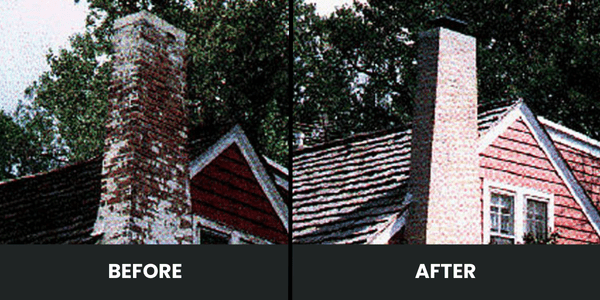
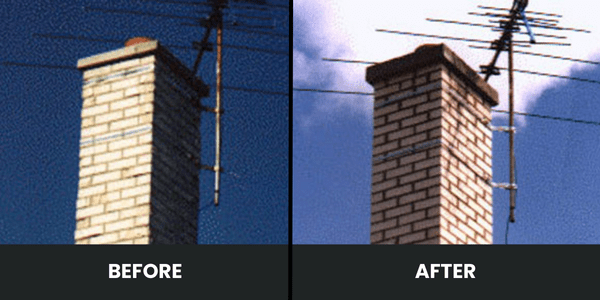
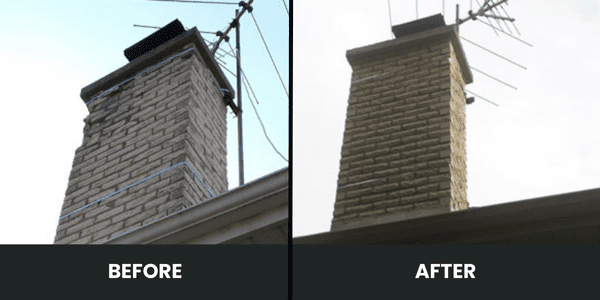
Chimneys take the worst weather exposure of any masonry element on a building. Arrow handles chimney tuckpointing, crown repair, flashing replacement, and full chimney rebuilding when deterioration has progressed past repair.
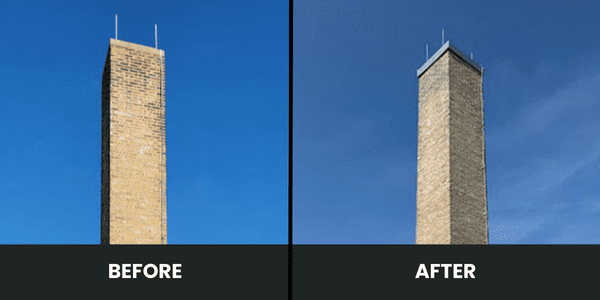
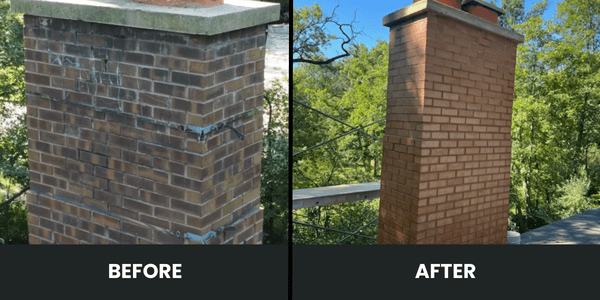
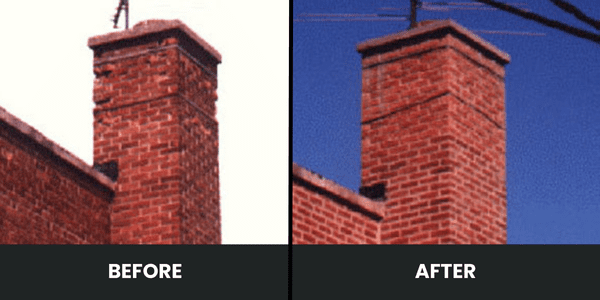
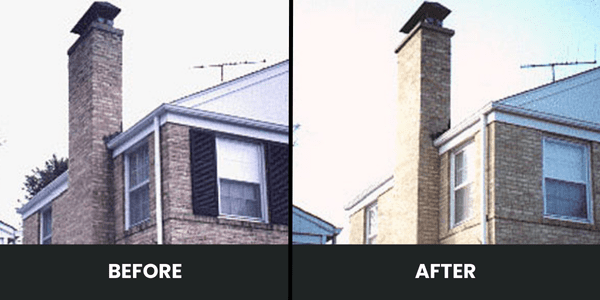
The Basics
Commercial Chimney Repair: Crown, Flashing, and Full Rebuilds for Chicagoland Buildings
Arrow's chimney repair service performs coordinated maintenance and rehabilitation of the crown, brick and mortar joints, flashing at the roof interface, chimney cap, and (in some cases) the internal flue liner. Chimneys on Chicagoland multi-unit buildings, historic brick two-flats, and commercial properties take weather exposure on all four sides simultaneously and routinely fail before the rest of the building envelope, requiring a shorter maintenance cycle than protected walls below the roofline.
Chimney work ranges from targeted repair (crown patching, spot tuckpointing, flashing repair, cap replacement) to full rebuilding above the roofline when deterioration is systemic. Chicago-area chimneys along the Lake Michigan shoreline and across Cook, Lake, and DuPage Counties are hit hardest by driving lake-effect precipitation and the region's roughly one hundred annual freeze-thaw cycles, so scope decisions are made from the roofline rather than from ground level.
Arrow is licensed, insured, and bonded for commercial chimney repair throughout the Chicago metro, backed by over fifty years of combined masonry expertise. On flat-roofed multi-unit buildings, chimney base flashing is the single most common source of water entry into the roof deck, attic, and interior ceilings, so Arrow inspects the flashing on every chimney scope, not just the crown.
The Work
Arrow's Chimney Repair Approach: Crown, Flashing, Rebuilding
Arrow evaluates chimney condition from the roofline, assessing crown integrity, joint deterioration, brick condition, cap condition, and flashing at the roof interface. Scope decisions are made based on how far Chicagoland freeze-thaw damage has progressed through the chimney structure, not what is visible from the ground.
Flashing is inspected and replaced as needed. Damaged flashing at the chimney base is the leading cause of attic and interior water entry on flat-roofed Chicagoland multi-unit buildings. Arrow replaces step flashing and applies sealant at the flashing-to-masonry transition as part of every chimney repair that shows water entry at the roofline.
Full chimney rebuilds are executed in place using brick matched to the existing Chicagoland building, with mortar matched for color, hardness, and joint profile. Crowns are formed with correct slope and drip edge to shed lake-effect rain and snowmelt away from the chimney body. Arrow does not install prefabricated metal chimney covers on buildings where masonry rebuild is the appropriate solution.
Get a Free EstimateCustom Mortar Matching
Color-sampled and blended for every project before work begins.
Written Scope
Every job includes a written specification before work starts.
Job-Specific Warranty
Every contract includes a written guarantee on the work.
Warning Signs
Warning Signs Your Chimney Needs Immediate Attention
Cracked or Missing Chimney Crown
The crown is the concrete or mortar cap at the top of the chimney. Cracks in the crown let water into the chimney body. Once the crown fails, deterioration accelerates through the entire chimney structure.
Loose, Missing, or Crumbling Bricks
Any brick that has shifted, dropped, or fallen from the chimney is an immediate structural concern. Chimneys collapse from progressive brick loss, and pieces on the roof below are a life-safety hazard.
Rust Staining on the Crown or Cap
Rust on the crown or cap indicates the interior steel components (dampers, liners, or reinforcement) are corroding. Corrosion propagates through the chimney interior long before visible surface damage appears.
Water Stains on Interior Ceilings Near the Chimney Base
Staining on interior ceilings or walls near where the chimney meets the roof usually indicates flashing failure. The water may travel several feet through the roof deck before appearing on the interior surface.
Visible Leaning or Displacement of the Chimney
A chimney that is leaning, twisting, or has visibly shifted position requires immediate inspection. Leaning chimneys have already lost structural integrity and continue moving until stabilized or rebuilt.
Debris on the Roof Below the Chimney
Loose mortar, brick fragments, or crown pieces on the roof below the chimney are signs of active deterioration. This debris appears months before ground-level symptoms and is a strong indicator that inspection is overdue.
Our Process
The Arrow Chimney Repair Process: Three Phases
Every Arrow chimney project runs through three phases, whether the scope is targeted repair or full rebuilding above the roofline. Roofline inspection comes first because Chicagoland chimney damage is almost always more advanced than what a ground-level look reveals.
-
01
Phase 1: Roofline Inspection and Scope Decision
The chimney is inspected from the roof: crown, joints, brick faces, cap, and flashing at the base. Findings are documented with photographs. If deterioration is localized (single cracked crown, isolated joint failure, minor flashing issue), targeted repair is scoped. If deterioration is systemic on the Chicagoland exposure elevation (multiple failure modes, significant brick loss, structural displacement), full rebuild above the roofline is scoped.
-
02
Phase 2: Removal and Reconstruction with Matched Materials
Failed masonry is removed to sound substrate. For rebuilds, the chimney is disassembled to the roofline or a defined structural transition point, with existing brick salvaged where possible for matching. New brick is set with mortar matched to the surrounding Chicagoland building for color, hardness, and profile. Crown is formed with correct slope and drip edge to shed rain, snowmelt, and lake-effect precipitation away from the chimney body.
-
03
Phase 3: Flashing, Cap Installation, and Final Documentation
Step flashing at the chimney base is installed or replaced, and a chimney cap is installed to prevent water entry and animal intrusion. Sealant is applied at the flashing-to-masonry transition. Photographs document the finished work and the client is walked through the repair with a recommended maintenance schedule tuned to the property's exposure across Cook, Lake, and DuPage County conditions.
Why It Matters
Chimney Deterioration Is Accelerated by Direct Weather Exposure
Chimneys Fail Faster Than Protected Walls
Chimneys sit above the roofline with no protection from rain, wind, or freeze-thaw. Joints that would last twenty-five years on a protected wall may fail in ten to fifteen years on a chimney. Once the crown cracks or flashing fails, water enters the chimney shaft, saturates brick from the inside, and causes rapid deterioration.
Inspect the Chimney Whenever the Roof Is Accessed
Arrow recommends chimney inspection whenever the roof is accessed for other work, whether for HVAC service, roofing, or masonry work on the parapet. The cost of adding a chimney inspection to a mobilization is minimal. The cost of discovering severe chimney damage three years later is not.
We Start With What Actually Needs Fixing
Large projects get broken into priority lists. Critical work comes first. Arrow does not write the biggest possible scope to maximize the invoice. The written scope explains what is essential now and what can wait.
Lifespan & Longevity
How Long Does Chimney Repair Last?
Properly executed chimney repair lasts twenty-five to thirty years, roughly the same as tuckpointing on a protected wall. Full chimney rebuilds with modern flashing details, correctly formed crowns, and appropriate caps can exceed forty years.
The critical maintenance intervals are annual visual inspection (any qualified contractor with roof access can perform this) and waterproofing recheck every five to ten years. Waterproofing is the single most cost-effective maintenance intervention available for chimneys because it slows the deterioration cycle that follows any small joint or crown crack.
Chimneys that are not actively used still require maintenance. Weather exposure does not stop when a chimney is decommissioned, and unmaintained chimneys become water entry points into the roof deck and attic well before they show obvious surface damage.
Common Questions
Chimney Repair FAQs
How often should a chimney be inspected?
Annually. Any inspection while the roof is accessed for other maintenance is enough for visual inspection. A more detailed roofline inspection with photographs is recommended every three to five years, or when any warning signs appear.
When is a partial repair adequate versus a full rebuild?
Partial repair is adequate when deterioration is localized: a single cracked crown, spot joint failure, or isolated flashing issue. Full rebuild is required when deterioration is systemic: multiple concurrent failure modes, significant brick loss, structural displacement, or the interior flue is compromised.
Does an unused chimney still need maintenance?
Yes. Weather exposure, freeze-thaw, and water intrusion continue regardless of whether the chimney is in active use. Unused chimneys should be capped and inspected on the same schedule as active chimneys to prevent water entry into the roof deck.
Can chimney repair be done in winter?
Emergency stabilization (temporary crown patching, cap installation, flashing repair) can be performed year-round with heated enclosures. Full masonry rebuilding is scheduled April through November when temperatures reliably stay above the 40-degree cure threshold.
What causes the leaning chimneys visible on some older buildings?
Chimneys lean when the foundation, brick shaft, or roof-line transition has shifted. Causes include water damage to the foundation below the chimney, corrosion of steel reinforcement inside the chimney, or long-term freeze-thaw movement on one side of the shaft. Leaning chimneys require immediate structural assessment.
What Clients Say
Read All Reviews"Arrow did tuckpointing on our 40-unit building in Evanston. The mortar match was excellent. You honestly cannot tell where the old work ends and the new work begins. That was the most important thing for our board."
"We had a city citation and needed documentation fast. Arrow assessed the building, gave us a clear scope, and completed the work on schedule. The inspector signed off without any issues."
"I manage six buildings. Arrow is the only masonry contractor I call. They tell me what the building needs, not the most expensive thing they can do. That matters a lot when you're managing association budgets."
Ready to Get Started?
Free estimates for all projects. We serve property managers, condo associations, and building owners across Chicagoland.