Commercial Tuckpointing · Since 1993
Commercial Tuckpointing Engineered for Chicago Winters
Mortar fails before brick. Water follows immediately. Arrow stops deterioration with joints ground to proper depth, mortar color-matched to your building, and finished work that blends in completely.
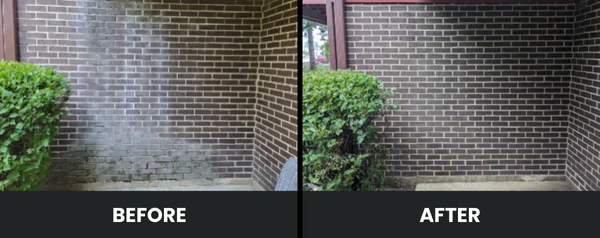
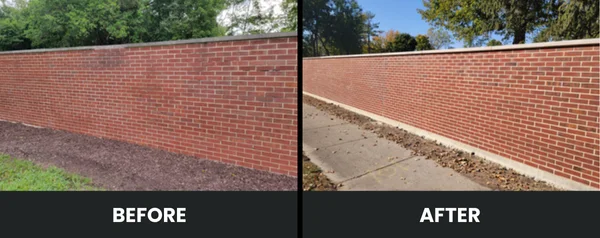
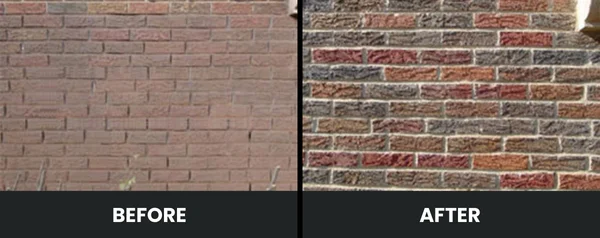
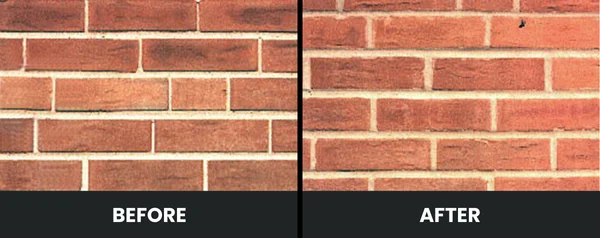
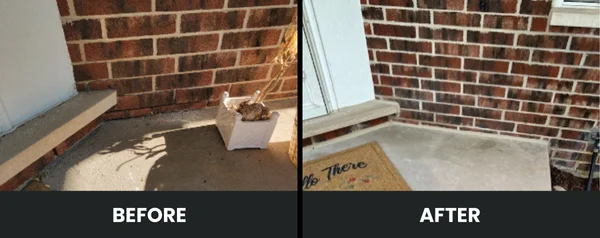
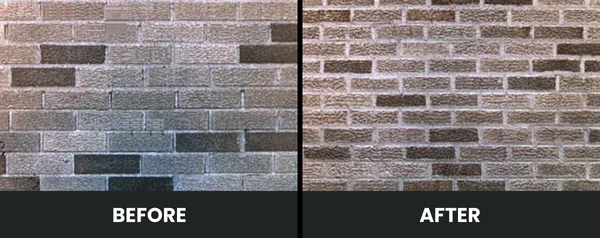
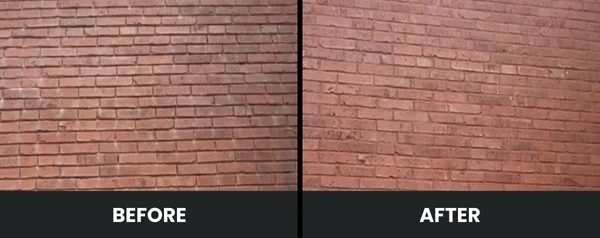
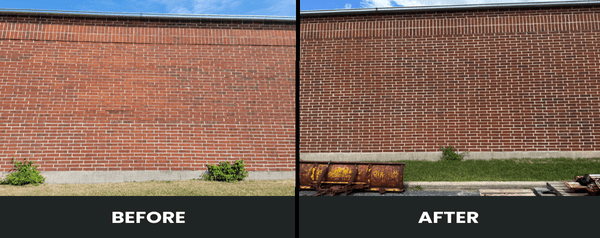
The Basics
Commercial Tuckpointing Services: Protecting Chicagoland Masonry
Arrow's commercial tuckpointing service removes deteriorated mortar from the joints between masonry units and replaces it with fresh mortar matched to your building's original material. The restored joint reestablishes the weather seal that keeps water out of the wall assembly and stops the freeze-thaw damage that would otherwise spread from the joints into the brick itself. Arrow handles this work on Chicago common brick walkups, historic two-flat and greystone residences, mid-century commercial vintage brick properties, and modern industrial masonry buildings across Cook, Lake, and DuPage counties.
Commercial tuckpointing serves a specific mechanical function that becomes critical in the Midwest. The Chicago-area climate delivers roughly 100 freeze-thaw cycles per year on every elevation, and lake-influenced humidity along the North Shore accelerates joint deterioration further. When mortar loses its seal, water infiltrates the brick body, freezes, expands, and drives the damage cycle that turns a maintenance-level tuckpointing scope into a full facade restoration within a few years. Arrow's work is scoped specifically to stop that cycle before it advances.
Arrow is licensed, insured, and bonded for commercial tuckpointing work throughout the Chicago metro, backed by over fifty years of combined masonry restoration expertise across the founding team. The company has served condo associations, HOAs, property managers, and commercial building owners across Evanston, Arlington Heights, Des Plaines, and dozens of other Cook, Lake, and DuPage county communities continuously since 1993.
The Work
Arrow's Standards for Every Commercial Tuckpointing Project
Arrow does not skim-coat or shallow-grind on any project. Every joint receives the minimum three-quarter-inch grind that Chicago freeze-thaw exposure requires for a lasting bond. Grinding depth is the single most common cost-cutting shortcut in the industry, and it is the fastest reason tuckpointing scopes fail within a decade of installation.
Mortar composition is matched to the original wall material on every scope. Portland-heavy modern mortar on a pre-1930 Chicago common brick wall causes the surrounding brick to spall within years; correct lime-based composition preserves the brick and reads continuous with the original facade. Arrow documents the specified mortar composition in the written scope for every project.
Joint profile is tooled to match the surrounding building on every project. Beyond the visual match, correct profiling compresses the surface of the joint against water penetration, extending the useful life of the repair by decades. Arrow profiles each joint to fit the building, not to whatever is fastest to tool.
Get a Free EstimateCustom Mortar Matching
Color-sampled and blended for every project before work begins.
Written Scope
Every job includes a written specification before work starts.
Job-Specific Warranty
Every contract includes a written guarantee on the work.
Warning Signs
Warning Signs Your Building Needs Tuckpointing
Mortar Erosion or Crumbling
Visible recession of the joint face, powdery mortar that flakes off with a screwdriver tip, or joints that have receded more than a quarter inch below the brick surface.
Water on Interior Walls or Ceilings
Most commonly appearing after heavy rain, near windows, or at the top of walls where parapet caps meet the wall assembly. Interior water damage almost always traces back to joint failure long before it becomes visible inside.
Efflorescence on Exterior Brick
White or gray salt staining leaching from mortar as water passes through the wall. Efflorescence is a symptom of ongoing water passage, not a cosmetic problem, and it points to joint failure nearby.
Cracked or Displaced Mortar Joints
Any horizontal or stair-step cracking through the joints, especially cracks that appear or grow between seasons. New cracks year over year are a sign the wall is moving.
Age Past Fifteen to Twenty Years
Exposed masonry in the Chicago climate typically needs tuckpointing at fifteen to twenty year intervals. Older buildings that have never been tuckpointed almost always need it, whether or not the deterioration is dramatic yet.
Our Process
The Arrow Tuckpointing Process: Three Phases
Every Arrow tuckpointing project runs through three execution phases. Skipping any of them, especially the grinding depth in Phase 1, is the single most common reason tuckpointing scopes fail within ten years of installation.
-
01
Phase 1: Deep Diamond Grinding
Arrow grinds every joint to a strict minimum of three-quarter-inch depth using diamond blades on angle grinders. Anything shallower cannot form a durable structural bond with the new mortar and will fail early under freeze-thaw exposure. This phase removes deteriorated material completely, exposes sound substrate, and creates the mechanical key the new mortar needs to hold up through the Chicago-area climate. Arrow does not skim-coat, patch over, or shallow-grind on any project.
-
02
Phase 2: Custom Mortar Matching
Mortar is custom-blended and sampled on site against the existing joints before the full job is batched. Arrow matches color, aggregate texture, and compressive strength to the original building material. Vintage Chicago brick in particular requires softer lime-based mortars rather than modern Portland-heavy mixes; using the wrong mix on a pre-1930 wall causes the surrounding brick to spall within years. Specified mortar composition is documented in every written scope.
-
03
Phase 3: Precision Joint Profiling
The final phase is precision joint tooling. Arrow profiles each joint to match the building's original architectural style, whether concave, weathered, flush, or extruded. Correct profiling compresses the surface of the joint, densifies it against water penetration, and produces the water-shedding geometry the wall assembly needs. A wrong profile on a restored wall is visible from the street and shortens the life of the repair.
Why It Matters
What Happens When Tuckpointing Is Deferred
Freeze-Thaw Damage Compounds Every Season
Mortar is the sacrificial element in masonry construction. It is designed to be softer than the brick, so it absorbs movement and weathering first. When mortar deteriorates, water enters the wall. In our climate, that water freezes and expands, widening cracks and accelerating brick damage with every cycle.
Deferred Maintenance Becomes a Larger Assessment
A building that needs tuckpointing this year will need significantly more work in two to three years if the problem is ignored. Water damage to interior sheathing, insulation, and framing compounds quickly. Municipal inspections flag facade deficiencies, and citations require documented repair by a licensed contractor.
We Start With What Actually Needs Fixing
Large projects get broken into priority lists. Critical work comes first. Arrow does not write the biggest possible scope to maximize the invoice. The written scope explains what is essential now and what can wait.
Lifespan & Longevity
How Long Does Professional Tuckpointing Last?
Properly executed tuckpointing lasts twenty-five to thirty years across the Chicago climate. Higher-performance mortars can extend that range on protected elevations, and heritage lime mortars on historic buildings can last considerably longer when installed correctly.
Freeze-thaw exposure is the biggest variable. South- and west-facing walls take more solar cycling and more driving rain; they typically need retreatment sooner than sheltered elevations. Parapet caps and chimneys, which take weather on multiple faces, are usually the first areas to fail.
Substandard shortcuts fail in five to ten years. Joints ground less than three-quarters of an inch, mortar packed in one thick layer instead of layered, and the wrong sand-to-cement ratio are the three most common reasons Arrow sees premature tuckpointing failures during inspections.
Common Questions
Tuckpointing FAQs
How long does a tuckpointing project take?
Small residential projects run one to three days. Full-facade commercial work on a mid-rise typically takes two to six weeks, depending on elevation size, access, weather, and how much brick or lintel work runs alongside the joint repair.
Can tuckpointing be done in winter?
Yes, if daytime temperatures stay above forty degrees Fahrenheit and forecasts do not drop below freezing during the initial cure. Our winters allow only limited windows for outdoor mortar work, so most tuckpointing is scheduled April through November.
How closely will the new mortar match the existing color?
Around ninety percent at first, darkening to a closer match over six to twelve months as the new mortar cures and weathers with the building. A perfect match on day one is a red flag: it usually means color was force-matched with pigment instead of correct sand and cement selection, and pigment fades unevenly.
Will the work damage plants, windows, or adjacent surfaces?
No, if the crew sets up properly. Protection at grade and around openings is standard on every Arrow project. A contractor who does not have a written plan for adjacent protection when they quote the job is a sign to keep looking.
What causes the white staining that appears on brick after tuckpointing?
Efflorescence, which is salt crystallization from water passing through fresh mortar. It is cosmetic, seasonal, and typically clears with a dilute muriatic acid wash or a season of rainfall. It usually diminishes significantly after the first year as the mortar fully cures.
What Clients Say
Read All Reviews"Arrow did tuckpointing on our 40-unit building in Evanston. The mortar match was excellent. You honestly cannot tell where the old work ends and the new work begins. That was the most important thing for our board."
"We had a city citation and needed documentation fast. Arrow assessed the building, gave us a clear scope, and completed the work on schedule. The inspector signed off without any issues."
"I manage six buildings. Arrow is the only masonry contractor I call. They tell me what the building needs, not the most expensive thing they can do. That matters a lot when you're managing association budgets."
Ready to Get Started?
Free estimates for all projects. We serve property managers, condo associations, and building owners across Chicagoland.