Commercial Power Washing & Masonry Cleaning · Since 1993
Commercial Power Washing Revealing What Is Actually There
A clean building reveals what is actually there. Arrow uses controlled pressure washing to remove staining, efflorescence, and biological growth without damaging brick or mortar.
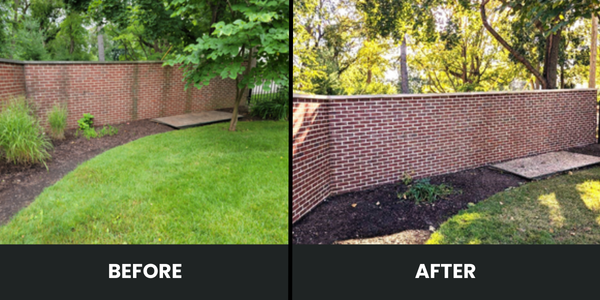
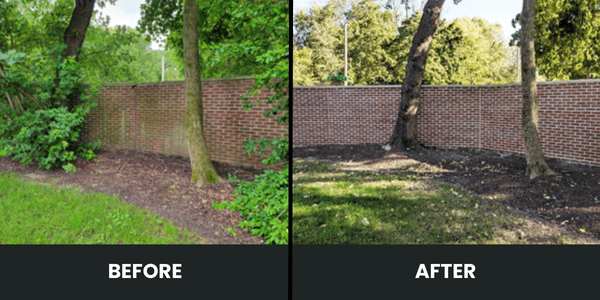
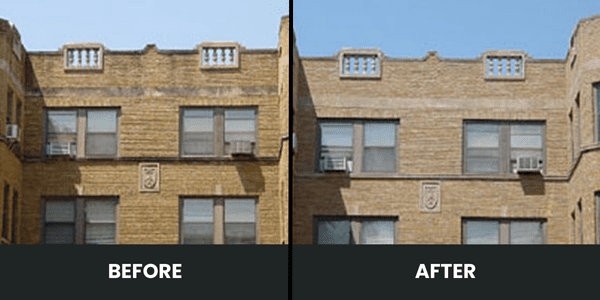
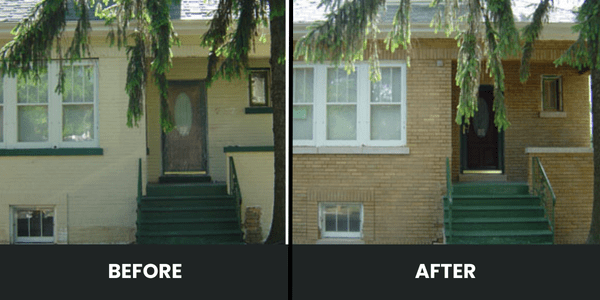
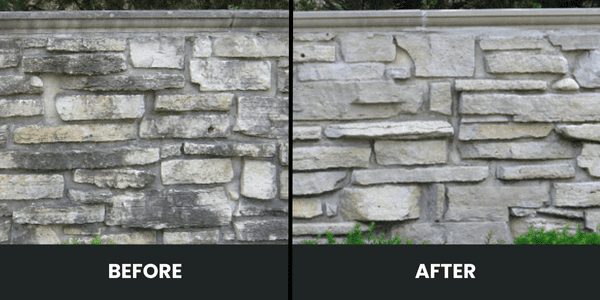
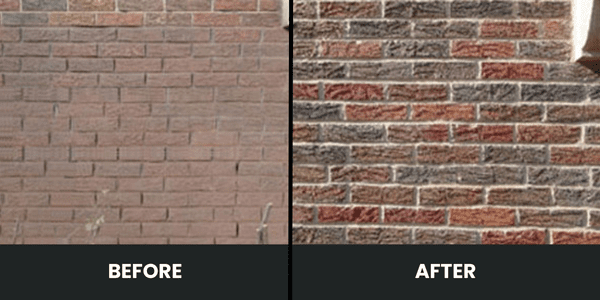
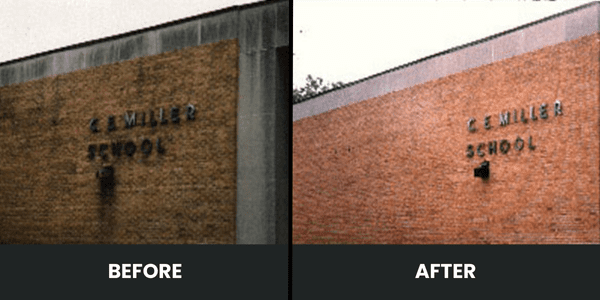
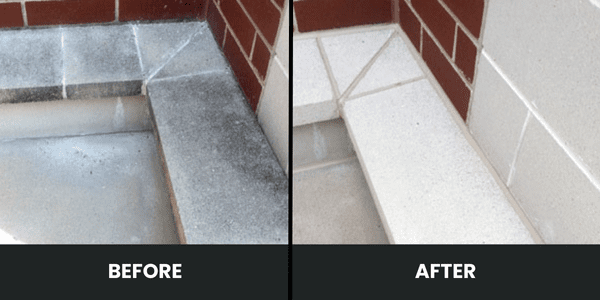
The Basics
Commercial Power Washing: Removing Urban Pollution and Highway Soot from Chicagoland Facades
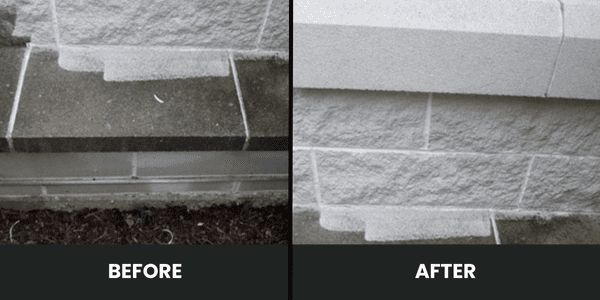
Arrow's commercial power washing service removes surface contamination that has accumulated on Chicagoland exteriors: dirt, urban pollution soot, carbon deposits from vehicle and highway traffic, biological growth (algae, mold, moss), efflorescence, rust staining from steel corrosion, and construction residue from adjacent work. Arrow handles cleaning on Chicago common brick walkups, historic brick and stone properties, mid-rise commercial facades, industrial masonry buildings, chimneys, patios, retaining walls, and foundations across Cook, Lake, and DuPage Counties.
The method matters as much as the outcome. Aggressive high-pressure washing strips the fired face off soft historic Chicago brick, erodes mortar joints, and drives water into the wall assembly where the roughly one hundred annual freeze-thaw cycles then convert the trapped water into spalling and joint failure. Arrow uses high-volume, low-to-medium-pressure soft washing as the standard method, with non-acidic cleaners matched to the specific stain type and substrate.
Arrow is licensed, insured, and bonded for commercial power washing throughout the Chicago metro, backed by over fifty years of combined masonry expertise. Cleaning is also diagnostic: staining and biological growth hide the true condition of Chicagoland facades, and a clean building reveals crack patterns, joint failures, and spalling brick that would otherwise stay invisible. On restoration projects, cleaning is often the first phase because it changes the scope of the subsequent repair.
The Work
Arrow's Power Washing Approach: Low-to-Medium Pressure, Non-Acidic Cleaners, Substrate Matching
Pressure, temperature, and chemical dwell time are all variables in masonry cleaning. Too much pressure damages soft mortar and etches historic Chicago brick surfaces. Arrow matches method to material: soft brick and limestone require lower pressure and controlled dwell time; harder brick and concrete can tolerate more aggressive cleaning. Urban pollution soot, highway soot from Chicagoland expressway corridors, and carbon deposits each respond to specific chemistry, and Arrow identifies the stain type before applying any treatment.
Arrow does not use acid-based cleaners on Indiana limestone, historic Chicago common brick, or buildings with aluminum window frames, and does not use aggressive biocides that can damage adjacent painted surfaces. Efflorescence, biological staining, and carbon soot each require different chemistry, and substrate incompatibility is a common cause of permanent damage on Chicagoland facades. Arrow specifies non-acidic cleaners as the default and confirms compatibility on every scope.
After cleaning, the Chicagoland facade is inspected while surfaces are wet. Water entry points, open joints, and hairline cracks are far more visible on a wet surface than a dry one, making post-wash inspection a useful diagnostic step before final repair scoping. Findings are photographed and incorporated into any subsequent tuckpointing, brick repair, or waterproofing scope.
Get a Free EstimateCustom Mortar Matching
Color-sampled and blended for every project before work begins.
Written Scope
Every job includes a written specification before work starts.
Job-Specific Warranty
Every contract includes a written guarantee on the work.
Warning Signs
Soft Washing vs. High-Pressure Washing
Soft Washing: The Standard for Masonry
High-volume, low-pressure application of cleaning solution allowed to dwell on the surface, then rinsed. The chemical does the work; the pressure just delivers and rinses. This is the correct method for brick, stone, and any older or historic masonry.
High-Pressure Washing: Not Appropriate for Masonry
Pressure above 1,500 PSI on brick and stone erodes joint mortar, strips fired brick faces, and drives water into the wall assembly. High-pressure equipment is appropriate for concrete flatwork and metal, not masonry facades.
Chemical Selection Depends on Stain Type
Efflorescence responds to different chemistry than biological growth. Carbon and traffic soot require different treatment than iron staining. Applying the wrong chemistry either fails to clean or damages the substrate. Arrow identifies stain type before selecting product.
Substrate Compatibility Is Critical
Acid cleaning that removes iron stains from brick etches limestone. Alkaline cleaners that clean concrete can leave residues on brick. Aggressive biocides can bleach mortar or damage adjacent painted surfaces. Substrate identification precedes chemical selection on every project.
Never Acid Near Aluminum Frames
Acid-based masonry cleaners react with aluminum window and door frames, producing staining that is difficult to remove and can damage the frame finish permanently. Arrow uses alternative chemistry on buildings with aluminum frames.
Our Process
The Arrow Power Washing Process: Three Phases
Every Arrow power washing project runs through three phases. Skipping the substrate and stain assessment step is the most common way cleaning damages a Chicagoland facade, since the wrong chemistry on the wrong substrate does more harm than skipped cleaning would.
-
01
Phase 1: Substrate and Stain Assessment
Building materials are identified (Chicago common brick, Indiana limestone, cast stone, concrete, mortar composition, presence of aluminum window frames). Stain type is diagnosed (urban pollution soot, highway carbon deposits, biological, iron, mineral efflorescence). The correct cleaning method, pressure range, dwell time, and non-acidic cleaner are selected from this assessment before any equipment is set up on the elevation.
-
02
Phase 2: Protection, Test Patch, and Controlled Application
Landscaping, sidewalks, windows, doors, mechanical equipment, and adjacent Chicagoland properties are protected before any cleaning solution is applied. The selected method is verified on an inconspicuous test patch before full-scale application. Cleaning solution is then applied at the correct dilution, allowed to dwell for the specified time, and rinsed with high-volume, low-to-medium-pressure water. Equipment is matched to the elevation, exposure, and access.
-
03
Phase 3: Post-Cleaning Inspection and Repair Scope Handoff
The cleaned facade is inspected wet and dry. Wet-surface inspection reveals cracks, open joints, and water entry points that were hidden by soot and biological growth; dry-surface inspection confirms cleaning outcomes. Findings are documented with photographs and incorporated into any subsequent tuckpointing, brick repair, or waterproofing scope so the Chicagoland property owner sees the full envelope condition, not just the newly cleaned face.
Why It Matters
Cleaning Before Repair Is Not Optional
Staining Obscures the True Condition of the Facade
Surface staining and biological growth obscure the true condition of masonry. Arrow recommends cleaning before final repair assessment on buildings with significant surface contamination. A clean surface reveals crack patterns, spalling brick, and joint failure that cannot be accurately mapped through staining.
Post-Wash Inspection Speeds Up the Repair Scope
Power washing often accelerates project timelines by giving the inspector a clear picture of actual conditions. Buildings where cleaning reveals more damage than was initially visible receive a revised scope before any repair work begins. No surprises after the contract is signed.
We Start With What Actually Needs Fixing
Large projects get broken into priority lists. Critical work comes first. Arrow does not write the biggest possible scope to maximize the invoice. The written scope explains what is essential now and what can wait.
Lifespan & Longevity
When to Schedule Masonry Cleaning
Most commercial masonry buildings benefit from cleaning every two to five years depending on exposure. Buildings with heavy vehicle traffic exposure (carbon soot), shaded elevations with biological growth, or ongoing efflorescence issues sit at the shorter end. Sheltered elevations on lower-traffic sites can go longer.
The best time of year for masonry cleaning is April through October, when temperatures reliably support proper cleaning chemistry cure and no freezing weather is expected during the process. Some cleaning methods can be performed year-round; others require ambient conditions above 40 degrees Fahrenheit.
Recurring efflorescence (white staining that returns after cleaning) is a signal that water is passing through the wall, not just an aesthetic problem. Repeated cleaning without addressing the source of the moisture wastes money and does not solve the problem. Persistent efflorescence should trigger an inspection for failed joints, missing flashing, or waterproofing failure.
Common Questions
Power Washing FAQs
Will pressure washing damage older brick or mortar?
Aggressive high-pressure washing will erode soft mortar and etch brick faces. Correctly executed soft washing (high volume, low pressure, appropriate chemistry) does not damage sound masonry. The distinction is technique, not the fact of cleaning itself. Arrow uses soft-washing methods on all masonry.
How often should a commercial building be cleaned?
Every two to five years for most buildings. High-traffic urban buildings with carbon soot exposure and shaded elevations with biological growth trend toward the shorter interval. Sheltered lower-exposure buildings can go longer without cleaning.
Why does the white staining keep coming back after cleaning?
Recurring efflorescence is a symptom of ongoing water passage through the wall, not a cosmetic problem. The salts are carried by water passing through the masonry and left behind when the water evaporates at the surface. Cleaning removes the staining but does not stop new salts from being deposited. Failed joints, missing flashing, or waterproofing failure is usually the underlying source.
Can biological growth (algae, mold, moss) be removed permanently?
Cleaning removes the visible growth. Recurrence depends on exposure conditions. Shaded, wet, north-facing elevations regrow biological staining quickly regardless of cleaning frequency. Waterproofing after cleaning slows regrowth by reducing the water content of the wall surface.
Can Arrow clean my building in winter?
Most masonry cleaning is scheduled April through October. Freezing temperatures during cure will damage the cleaning result and can drive moisture into the wall. Emergency cleaning at heated interior spaces can be performed year-round; scheduled exterior cleaning is planned in the standard cleaning season.
What Clients Say
Read All Reviews"Arrow did tuckpointing on our 40-unit building in Evanston. The mortar match was excellent. You honestly cannot tell where the old work ends and the new work begins. That was the most important thing for our board."
"We had a city citation and needed documentation fast. Arrow assessed the building, gave us a clear scope, and completed the work on schedule. The inspector signed off without any issues."
"I manage six buildings. Arrow is the only masonry contractor I call. They tell me what the building needs, not the most expensive thing they can do. That matters a lot when you're managing association budgets."
Ready to Get Started?
Free estimates for all projects. We serve property managers, condo associations, and building owners across Chicagoland.