Brick Replacement & Spalling Repair · Since 1993
Brick Repair Matched, Reset, and Invisible
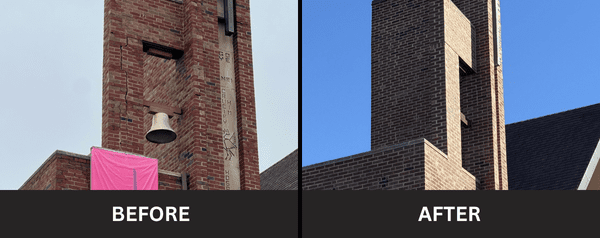
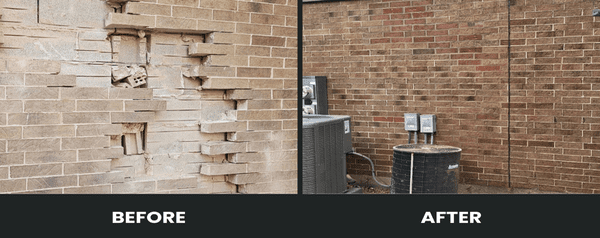
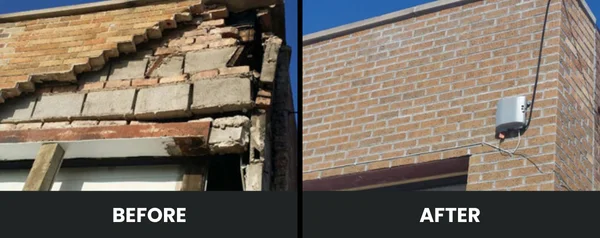
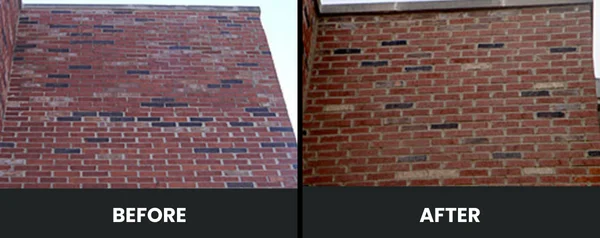
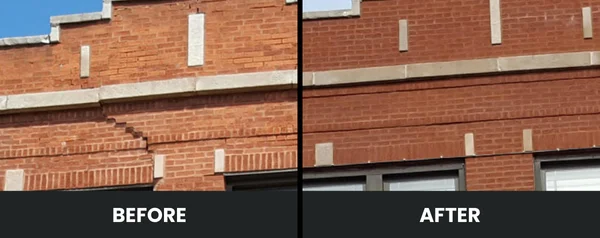
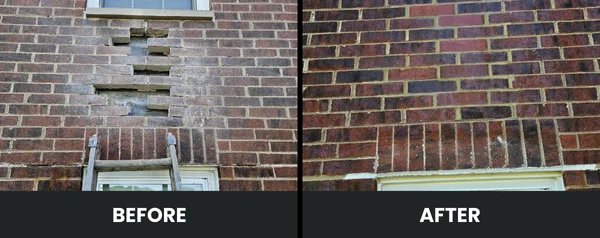
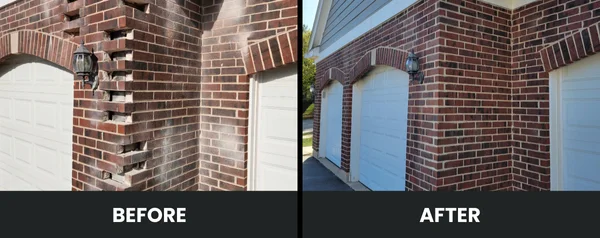
Spalling, cracked, or damaged bricks do not fix themselves. Arrow removes deteriorated brick, sources matching replacement units, and resets them with proper mortar beds so repairs disappear into the building.
The Basics
Selective Brick Repair and Replacement Services for Chicagoland Buildings
Arrow's selective brick repair service stabilizes and replaces structurally compromised, cracked, or failing brick units without over-scoping the surrounding wall. Arrow toothes out damaged units, cleans out degraded bed joints, sources matched replacement brick, and resets each unit with mortar composition specified to the age and material of the wall. This work is done on vintage Chicago common brick two-flats, historic greystones, mid-century commercial vintage brick properties, and industrial masonry buildings across Cook, Lake, and DuPage counties.
Brick damage is almost always downstream of mortar joint failure. Chicago's approximately 100 freeze-thaw cycles per year, lake-effect humidity along the North Shore, and driving suburban winter storms accelerate water passage through failed joints; that water freezes inside the brick body, expands, and fractures the fired face. Spalled or cracked brick then admits water directly, accelerating the damage cycle in adjacent units.
Arrow is licensed, insured, and bonded for commercial brick repair throughout the Chicago metro, backed by over fifty years of combined masonry restoration expertise across the founding team. Sourcing historic Chicago Common Brick from regional salvage yards, matched to size, texture, and compressive strength, is standard on every scope for pre-1940 buildings where the original manufacturers no longer produce.
The Work
Arrow's Standards for Every Commercial Brick Repair Project
Arrow does not patch over damaged brick. Face patching materials do not bond durably to the brick body, fail within a few years, and typically leave worse damage than the original spall. Arrow tooths out each damaged unit completely at all four joints and installs matched replacement brick set with correctly specified mortar.
Mortar composition is matched to the age and material of the surrounding wall. Excessively hard modern Portland-heavy mortar on softer vintage brick causes face spalling in the surrounding units within a few years; correct lime-based composition on pre-1930 walls preserves the original brick and reads continuous with the original facade.
Brick matching extends to size, color, texture, and compressive strength. Arrow sources salvaged Chicago Common Brick, hand-selects each replacement unit against the visible wall face, and documents matching criteria in the written scope. A visible patch of the wrong brick or wrong mortar is a repair that will need to be redone.
Get a Free EstimateCustom Mortar Matching
Color-sampled and blended for every project before work begins.
Written Scope
Every job includes a written specification before work starts.
Job-Specific Warranty
Every contract includes a written guarantee on the work.
Warning Signs
Common Brick Problems We Repair
Spalling (Face Separation)
The face of the brick breaks away from the body, exposing the softer interior to weather. Spalling accelerates once started because the exposed core absorbs water more readily than the original face did.
Cracked Brick
Vertical or diagonal cracks through the brick body usually indicate load-path issues (lintel failure, foundation settling) or freeze-thaw damage inside the brick. Cracked brick admits water directly through the wall.
Missing or Loose Bricks
Individual brick units that have shifted, dropped, or fallen out entirely. Missing brick is always a symptom of a larger problem: lintel failure, mortar failure at scale, or structural movement.
Damaged Brick Faces (Not Spalling)
Faces that have been eroded by past sandblasting, aggressive power washing, chemical exposure, or bad tuckpointing. The brick is intact but the fired-glazed face is gone, so the brick absorbs water and deteriorates faster than the original.
Efflorescence and White Staining
Salt deposits leaching from mortar and brick pores. Efflorescence is a symptom of ongoing water passage through the wall, not just a cosmetic problem. The staining will keep returning until the water source (usually failed joints or missing flashing) is addressed.
Our Process
The Arrow Brick Repair Process: Three Phases
Every Arrow brick repair project runs through three phases. Skipping the matching phase, where sourcing time is invested to find historically accurate replacement brick, is what makes many repair scopes fail cosmetically and require a second visit within a few years.
-
01
Phase 1: Toothing Out and Substrate Preparation
Damaged brick is toothed out completely at all four joints. Adjacent brick and mortar are protected during removal. The opening is cleaned to sound substrate. Bed joints of adjacent units are cleaned of degraded mortar so the replacement unit sets against sound material rather than deteriorated bed material.
-
02
Phase 2: Historic Chicago Common Brick Sourcing and Matching
Replacement brick is sourced through regional brickyards or salvage yards. On buildings older than sixty years, the original manufacturer is usually out of production, and salvage sourcing is the only path to a correct match. Each replacement unit is hand-selected against the wall face for color, texture, dimension, and compressive strength.
-
03
Phase 3: Installation with Matched Mortar and Adjacent Joint Restoration
Replacement brick is set with mortar composition matched to the age of the surrounding wall (lime-based on pre-1930 buildings, appropriately weaker Portland-lime mixes on mid-century construction). Joint profile is tooled to match. Failed joints adjacent to the repair are re-tuckpointed as part of the same scope so the same water passage that caused the original damage does not produce a repeat failure.
Why It Matters
What Spalling Brick Is Actually Telling You
Spalling Is Freeze-Thaw Damage from Inside the Brick
Spalling, where the face of a brick breaks away, usually means water has penetrated the brick and frozen inside. This is accelerated by failed mortar joints nearby. A spalled brick exposes the brick core directly to weather, compounding the damage cycle. Left unaddressed, spalling spreads.
The Source Must Be Treated Alongside the Symptom
Arrow treats the source, failed joints, alongside the visible brick damage. Replacing brick without addressing the surrounding mortar is a repair that will need to be redone. Every brick repair job includes assessment of the surrounding joint condition and tuckpointing where needed.
We Start With What Actually Needs Fixing
Large projects get broken into priority lists. Critical work comes first. Arrow does not write the biggest possible scope to maximize the invoice. The written scope explains what is essential now and what can wait.
Lifespan & Longevity
How Long Does Brick Repair Last?
A correctly executed brick repair is functionally permanent when the underlying cause has been addressed. The replacement brick lasts as long as the original wall, and the surrounding tuckpointing lasts twenty-five to thirty years. Repair failure almost always traces back to root-cause issues left unresolved: continuing water passage, unaddressed lintel corrosion, or foundation movement.
Color match on the day of installation is approximately ninety percent. Over the following twelve to twenty-four months, the new brick and mortar weather to match the surrounding building more closely. A repair that is instantly invisible on day one usually means the color was force-matched with pigment, which fades unevenly over time.
Mortar around the replacement brick reaches initial cure at 24 to 48 hours and full strength at 28 days. During this cure window, the repair area is protected from direct rain and freezing temperatures. Winter brick repair is scheduled in the standard April-through-November season, or performed with heated enclosures when emergency work is required.
Common Questions
Brick Repair FAQs
How closely will the replacement brick match?
Approximately ninety percent on the day of installation, closer to full match within one to two years as the new brick weathers and the mortar cures. A perfect match on day one is a sign of pigment force-matching, which fades unevenly. A slight difference initially that closes over time is a sign of correct material selection.
Can damaged brick faces be patched instead of replaced?
No. Surface patching materials do not bond durably to the brick body and fail within a few years, usually leaving worse-looking damage than the original. The correct repair is full brick replacement. Attempts to patch commonly appear on buildings that need restoration a decade later than they should have.
What causes brick to spall in the first place?
Water enters the brick body through failed mortar joints nearby, freezes, expands, and fractures the fired face away from the softer interior. Spalling brick is almost always downstream of joint failure, so brick repair and tuckpointing are scoped together in most cases.
How long does a brick repair project take?
Small isolated repairs (fewer than twenty brick units) typically take one to three days. Larger repairs coordinated with tuckpointing scope on a full facade can extend to two to six weeks depending on access, matching complexity, and adjacent work required.
Can you match brick on a very old building?
Yes, in most cases. Salvage brickyards in the region carry pre-war Chicago common brick and other historic units. Arrow locates matched material before committing to the repair scope. When exact match is not available, alternate elevations or less-visible areas are used as donor sources with matched replacement on the visible face.
What Clients Say
Read All Reviews"Arrow did tuckpointing on our 40-unit building in Evanston. The mortar match was excellent. You honestly cannot tell where the old work ends and the new work begins. That was the most important thing for our board."
"We had a city citation and needed documentation fast. Arrow assessed the building, gave us a clear scope, and completed the work on schedule. The inspector signed off without any issues."
"I manage six buildings. Arrow is the only masonry contractor I call. They tell me what the building needs, not the most expensive thing they can do. That matters a lot when you're managing association budgets."
Ready to Get Started?
Free estimates for all projects. We serve property managers, condo associations, and building owners across Chicagoland.